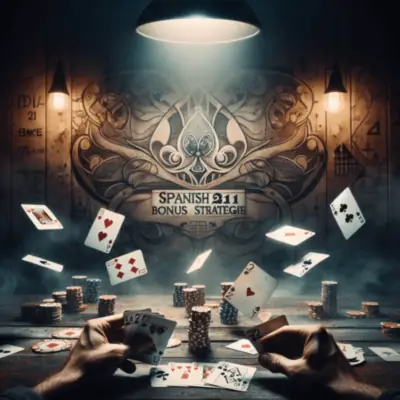
Spanish 21: The Rules That Change Basic Strategy

Spanish 21 looks like blackjack until you sit down. The deck is missing its tens, which sounds like a small change and is not, because it alters the odds on every hand and rewrites parts of the basic strategy. The compensations are real, though, and they are what make the game worth learning. Here is how the rules actually work.
What Makes Spanish 21 Different
Spanish 21 uses a standard deck with the four tens removed. Jacks, queens and kings stay, so the deck still holds plenty of ten-value cards, just fewer of them. That single change makes it harder to build a strong hand and shifts the balance toward the dealer, which is why the game adds rules that favour the player.
Among them: a player 21 always beats a dealer 21, late surrender is available, doubling after splitting is allowed, and certain hands pay bonuses beyond even money. Those additions are what pull the game back toward playable.
How the Rules Change Basic Strategy
Standard blackjack charts do not transfer cleanly. With fewer tens in the deck, some hits and doubles that are correct at blackjack become marginal or wrong here.
The exceptions worth memorising: always split aces and eights, double on hard 9, 10 and 11, and stand on hard 17 and above. Beyond those, use a chart built for Spanish 21 rather than a blackjack chart, because the removed tens shift several close decisions.
Surrender and the Bonus Payouts
Late surrender lets you give up half your bet after seeing the dealer upcard and your own hand, which is useful against a strong dealer card when your hand is weak. It turns a likely full loss into a known half loss.
The bonus payouts are specific combinations, such as three sevens or a suited 6-7-8, that pay more than a standard win. They are a genuine addition to the return, but they are rare enough that they should not drive your decisions. Play the hand correctly and treat the bonuses as upside.
Deck Count and Bankroll
The number of decks in play changes the house edge, and fewer decks generally favour the player. If a table offers a choice, that is worth knowing before you sit down.
Sizing follows normal blackjack logic: decide the stake and the session budget together, and remember that removing the tens increases variance slightly, because strong starting hands arrive a little less often. A budget that works at blackjack may feel tighter here.
One last note on table selection: the bonus payouts and player-friendly rules are what close the gap created by the missing tens, so a Spanish 21 table with a poor rule set can be worse than a good blackjack table. Compare the specific rules, not the game name.
Frequently asked questions
Are all ten-value cards removed in Spanish 21?
No. The four tens are removed; jacks, queens and kings remain. The deck still holds ten-value cards, just fewer of them.
Can I use a blackjack basic strategy chart?
Not reliably. The missing tens change several close decisions, so use a chart built for Spanish 21.
What is late surrender?
Giving up half your bet after seeing the dealer upcard. It limits the cost of weak hands against strong dealer cards.
Do the bonus payouts make Spanish 21 better than blackjack?
They improve the return, and the player-friendly rules help too. Whether it beats a given blackjack table depends on that table's own rules.
Ready to play? Every game covered here is live at game.ubet.fun — or browse more Spanish 21 guides first.
Play now at game.ubet.fun